Drone footage is worth it when scale, position or terrain is part of the story, and ground footage is worth it when the story is people, detail or anything indoors. The two answer different questions, so the real decision is which shots each job actually needs, not which looks more impressive.
This guide covers what each one does best, why a drone shot costs more to add, and how to decide between drone, ground, or both for your own shoot.
What Drone Footage Does That Ground Footage Cannot
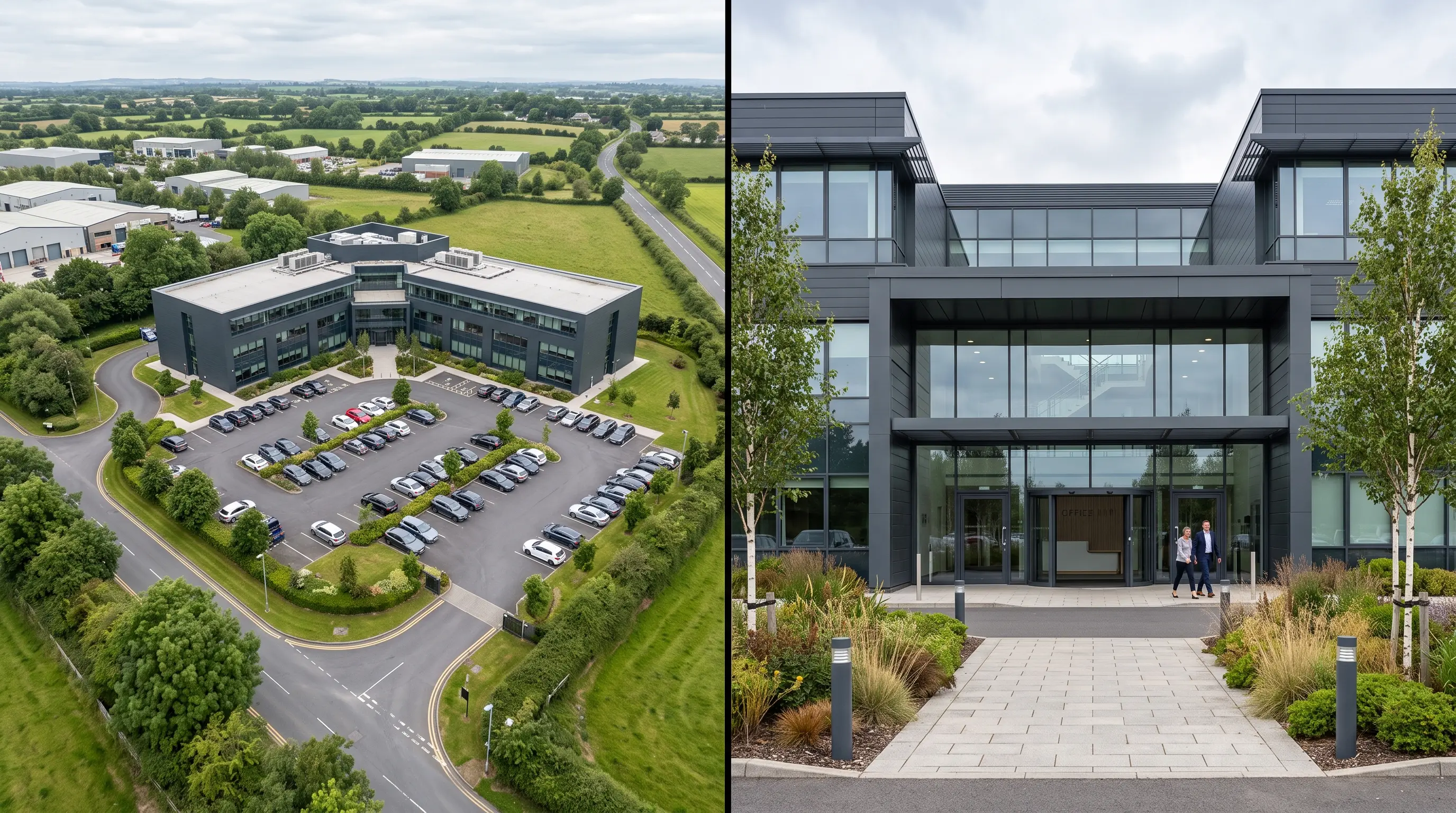
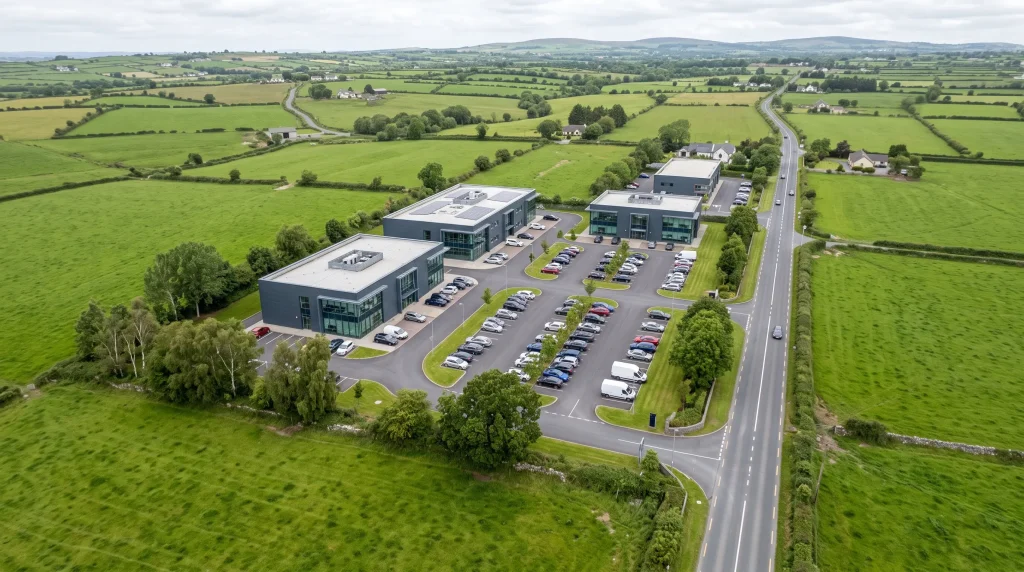
Drone footage shows scale, position and terrain, the things you cannot capture from the ground. A single aerial shot can explain where a place is, how big it is, and how it sits in its surroundings, in a few seconds.
That makes it the right tool for a specific set of jobs:
- Establishing a location. One wide shot sets the scene faster than a run of ground clips.
- Showing size. A development or a venue reads as large only when you see it whole.
- Revealing position. A property’s outlook, its boundaries and what surrounds it are an aerial story.
- Following terrain. Coastline, land or a route across a site all make sense from above.
If the point of the shot is where something is or how big it is, a drone does it better than any camera on the ground.
What Ground Footage Does Better Than a Drone
Ground footage does the human work: faces, detail, and everything that happens indoors. It puts the viewer at eye level with people and the things they care about, which is what makes a video land.
Ground cameras are the right choice for:
- People. Interviews, speakers, reactions and candid moments all live at eye level.
- Detail. Close work, a product in the hand, texture and finish.
- Indoors. Offices, studios and venues where a drone has no room to fly.
- Emotion. The shots that make someone care are close, not high.
Most of a finished video is ground footage, because most stories are about people and detail rather than scale. The drone adds context around that, it does not carry the film on its own.
Why a Drone Shot Has to Earn Its Place
A drone shot costs more to add than a ground shot, so it should only go in where it does something ground footage cannot. It is not another angle you pick up for free.
Commercial drone work in Ireland has to be flown by a crew registered with the Irish Aviation Authority, with a licensed pilot and insurance on the shoot. Commercial operators are legally required to register, and higher-risk sites need extra permissions that take planning.
A drone shot also depends on the weather in a way a ground shot does not. Drones fly best in calm, dry conditions, so an aerial plan can slip to another day when a ground shoot would have gone ahead regardless.
None of that means avoid aerial footage. It means a drone shot should be there for a reason, not because it looks striking.
When to Choose Drone, Ground, or Both
Choose based on what the shot needs to show, not on what looks most impressive. The question is simple: does this shot need scale and position, or people and detail?
Here is how that plays out across common jobs:
| Job | Best Choice | Why |
|---|---|---|
| Property or development listing | Both | Aerial sells the position, ground sells the space inside |
| Construction progress | Drone | Scale and site layout are the whole point |
| Corporate talking head or interview | Ground | The story is a person, at eye level |
| Large outdoor event | Both | Drone shows the crowd and setup, ground catches the moments |
| Product or brand film | Mostly ground | Detail leads, with an aerial establishing shot if the location matters |
| Hotel or venue | Both | Aerial for the setting, ground for the rooms and feel |
Most business video needs plenty of ground footage and a little drone footage, placed where scale genuinely adds to the story. That balance is what a corporate video project is usually built around.
When a Drone Shot Is Not Worth It
A drone shot is not worth it when the story is indoors, close, or about people, which covers a large share of business video. Adding aerial to those jobs spends money on a shot the finished video does not need.
Skip the drone when:
- The shoot is entirely indoors, where a drone cannot fly usefully
- The video is a talking head, interview or testimonial
- The budget is tight and every shot has to pull its weight
- The location is ordinary and adds nothing from above
A good production team will tell you when an aerial shot would be wasted. Being talked out of a shot you do not need is a better sign than being sold every extra going.
How the Two Work Together on One Shoot
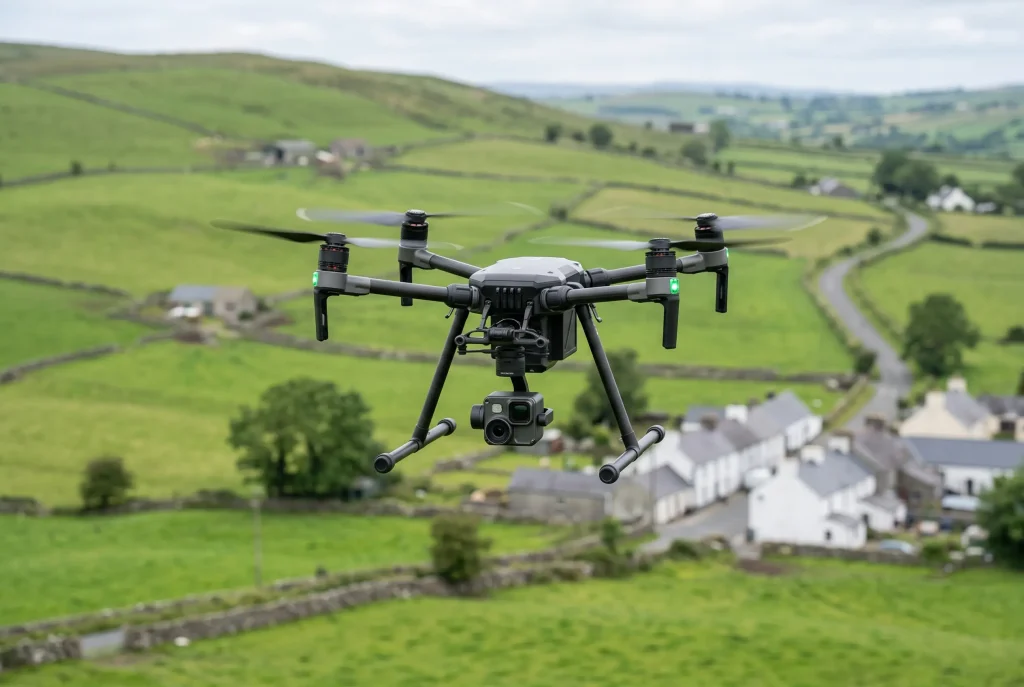
The strongest videos plan aerial and ground shots together, so each does the job it is best at. Wide drone shots set the scene and show scale, then ground footage carries the people, the detail and the story.
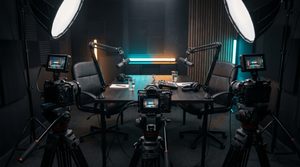
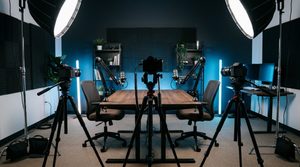
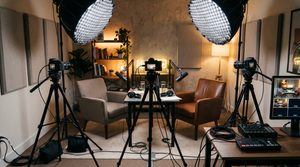
This is easier when one team handles both. SG Studios films both drone and ground with the same crew, in the studio and on location across Dublin, so the two are planned as a single shoot rather than two separate bookings.
When the footage is cut together afterwards, it was shot to fit from the start, which is harder to pull off when the aerial and ground work were booked as two unconnected jobs.
Getting the Balance Right
The choice between drone and ground footage comes down to one question: does the shot need scale and position, or people and detail? Get that right for each part of the job and the video does what it should, without paying for shots it never needed.
If you are planning a shoot and want to work out which shots should be aerial, book a free studio tour and talk it through first.