DIY product photography works when you have a small catalogue and the photos are going on social media. A professional shoot earns its cost once you need consistent images across a full catalogue, cut-outs that pass a shopping feed, or photos that have to sell the product rather than simply show it.
Volume decides most of it, along with how similar your products are and where the images end up.
This covers when shooting your own is the right answer, what breaks as a catalogue grows, what Google Shopping requires, and what a professional shoot costs.
Three Ways to Pay for Product Photos
Product photos are paid for in one of three ways: per image, per hour, or in your own time. Which one works out cheapest depends almost entirely on how many products you have.
Per image is the common commercial model. You pay a set rate for each finished shot, and the rate usually drops as volume rises, because similar products share one lighting setup.
Per hour or per day is studio pricing. You book the space, the lighting and usually a photographer for a block of time, then shoot as much as fits inside it.
Your own time is the third model, and the one people forget to price. Shooting it yourself costs nothing in invoices and a lot in hours.
Shopify’s guide to product photography pricing sets out how the commercial models work and what moves the number inside each one.
When DIY Product Photography Is the Right Call
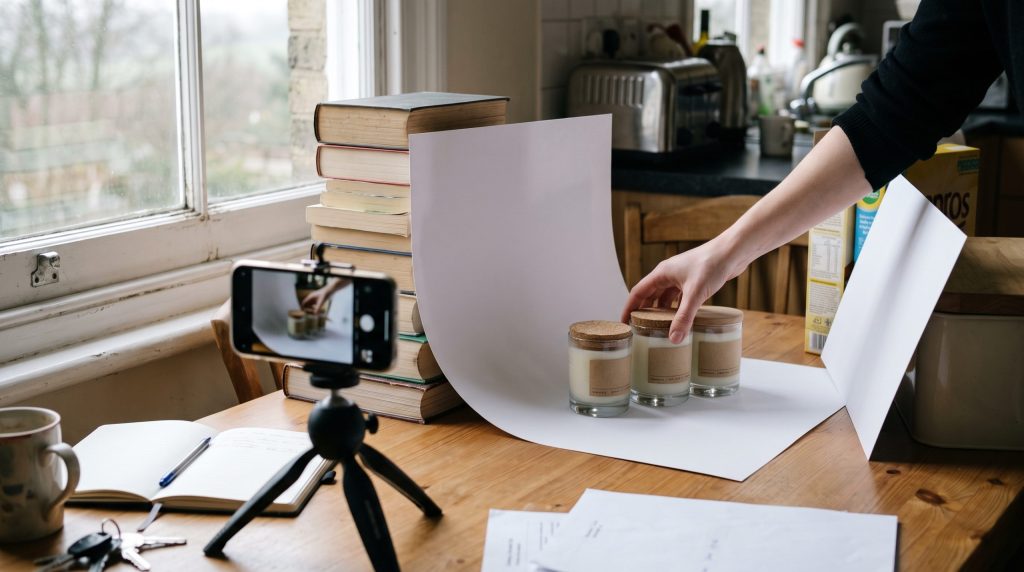
Shoot your own products when they share one lighting setup, the catalogue is small, and the images are for social media or a marketplace listing rather than a product feed.
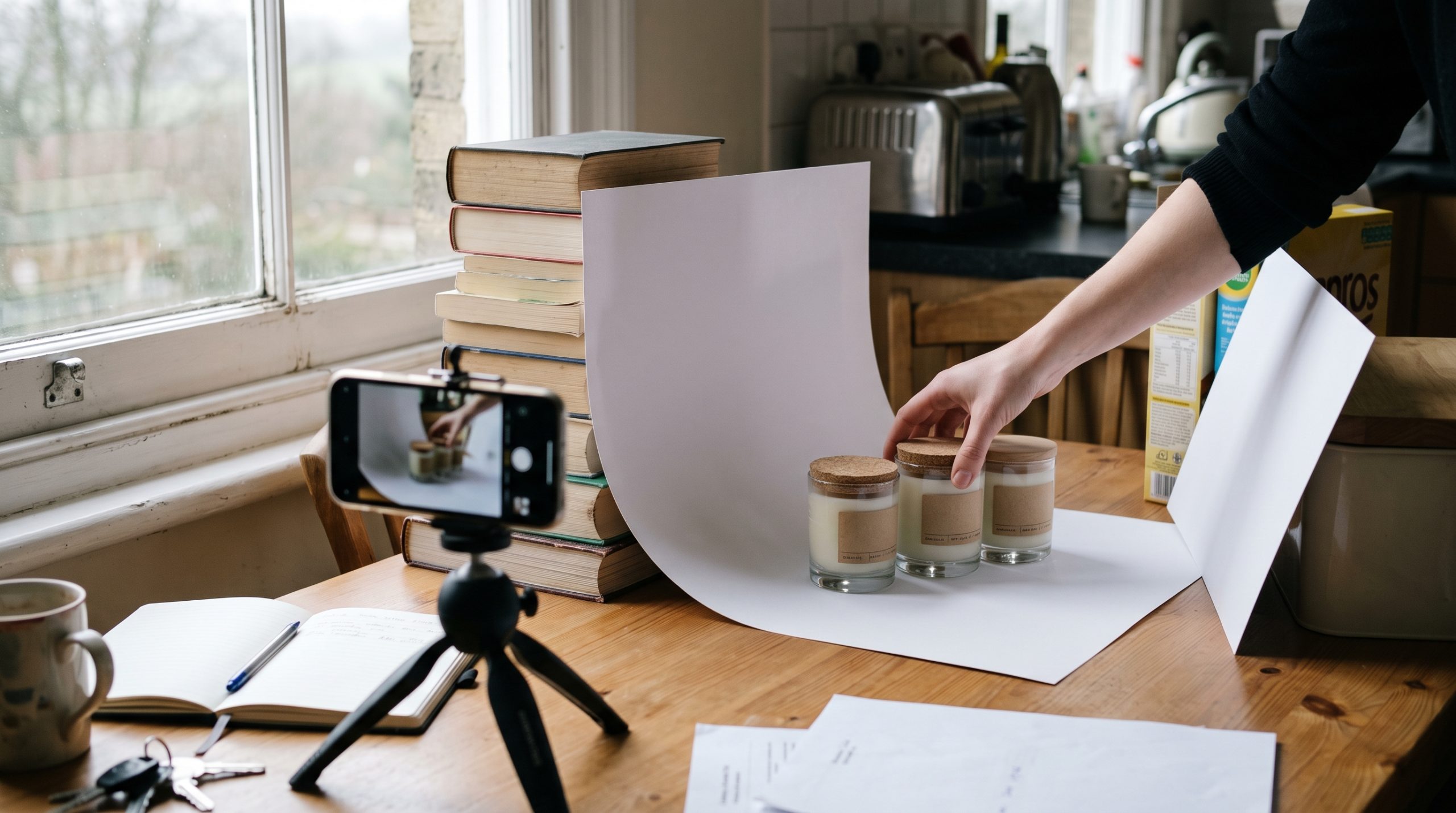
That covers a lot of small Irish sellers. If you make candles, print t-shirts, or sell a handful of items that all sit flat on a table, a window and a phone will produce images that do the job.
Paying for a shoot before the product has proven it sells is money spent in the wrong order.
What You Need for a Setup That Holds Up
Window light, a white background and a fixed camera position will get you most of the way there.
- North-facing window light, which stays consistent through the day
- A white paper sweep or foam board, with a second board opposite to bounce light back
- A tripod or phone stand, so framing stays identical across every shot
- Manual exposure and white balance locked, rather than letting the phone decide each time
The locked settings matter more than the camera does. Most inconsistency in a DIY catalogue comes from the phone re-metering between shots rather than from image quality.
How Long Editing Actually Takes
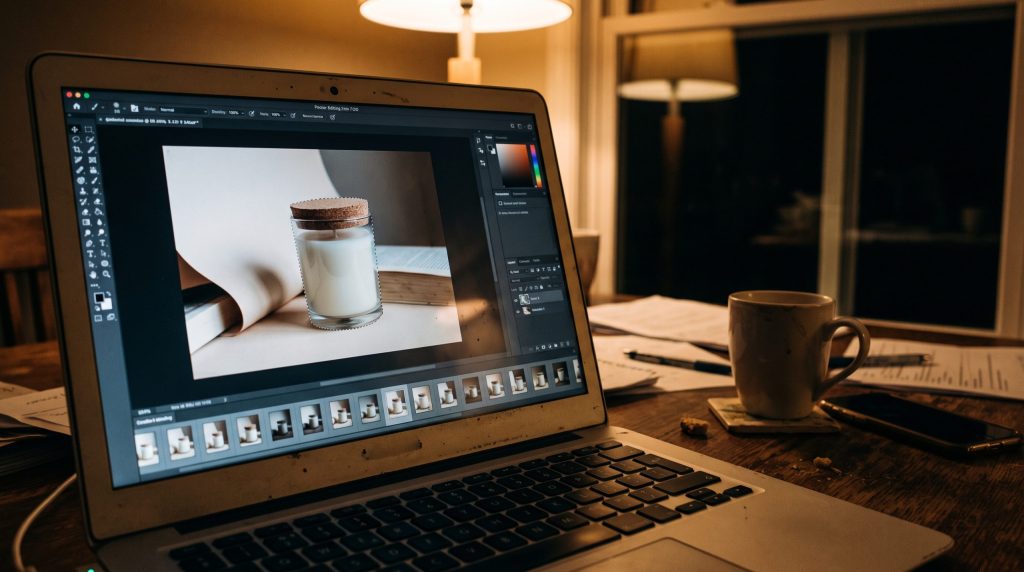
Editing is the part that takes the time, and it scales with the number of images rather than the number of products.
Every image needs the background cleaned, the colour corrected to match the real product, and the crop set to the same scale as everything else in the catalogue.
Shooting a batch takes an afternoon. Editing the same batch to a consistent standard often takes longer than the shoot did.
What Breaks When Your Catalogue Grows
DIY stops working at the point where your products no longer share a single lighting setup.
One setup can cover a run of similar items. The moment you add something reflective, or tall, or made of glass, the setup restarts and so does the learning.
The second failure is drift. Photograph half a catalogue in March and the rest in June, and the two halves will not match, because the light changed and your editing changed with it.
Customers see that in a grid view, where products sit side by side and the mismatched ones look like a different shop. That is the practical reason sellers move to the photography studio route once a catalogue passes a certain size.
What Google Shopping Requires From Your Product Images
If your products run in Google Shopping, the primary image has to sit on a solid white or transparent background with no promotional text, watermarks, overlays or borders, or the product gets disapproved.
Google’s Merchant Center documentation states that promotional text and similar elements covering the product are not allowed, and that affected products are disapproved until the image is replaced. The image also has to match the exact variant being sold.
This is where DIY most often fails an e-commerce seller. A lifestyle photo shot on a wooden table works on Instagram and will not clear a feed.
Cut-outs are the specific skill. Isolating a product cleanly, keeping the edges true and the colour accurate, is slow by hand and obvious when it goes wrong, which is why feed-ready product photography is usually priced with the editing built in.
What Product Photography Costs
Product photography is priced per image, per hour, per day, or as a fixed package for a set number of products. The number moves on volume, product complexity and how much editing each shot needs.
Three things push a quote up:
- Product variety. Items needing their own lighting setup cost more per image than a batch of similar ones
- Styling and props. A plain cut-out is quicker than a built scene
- Editing depth. Background removal, colour matching and retouching are where the hours go
| Doing It Yourself | Studio Space Only | Photographer and Studio | |
|---|---|---|---|
| You supply | Everything | Camera, lens, styling | The products |
| Best for | Small catalogues, social use | Sellers who can already shoot | Full catalogues, feed-ready images |
| Lighting | Whatever the window gives | Basic lighting provided | Controlled and repeatable |
| Editing | Yours to do | Yours to do | Included in the rate |
| Main cost | Your hours | Hourly rate | Hourly rate or package |
Prices in Ireland are quoted before VAT, charged at the standard rate of 23% on professional services. A VAT-registered business reclaims that through its VAT return, so the real cost is the figure before VAT. The standard rate is set by Revenue.
If you want a figure before enquiring, you can work out a session estimate for the type and length of shoot you have in mind.
What the Hourly Rate Covers at SG Studios
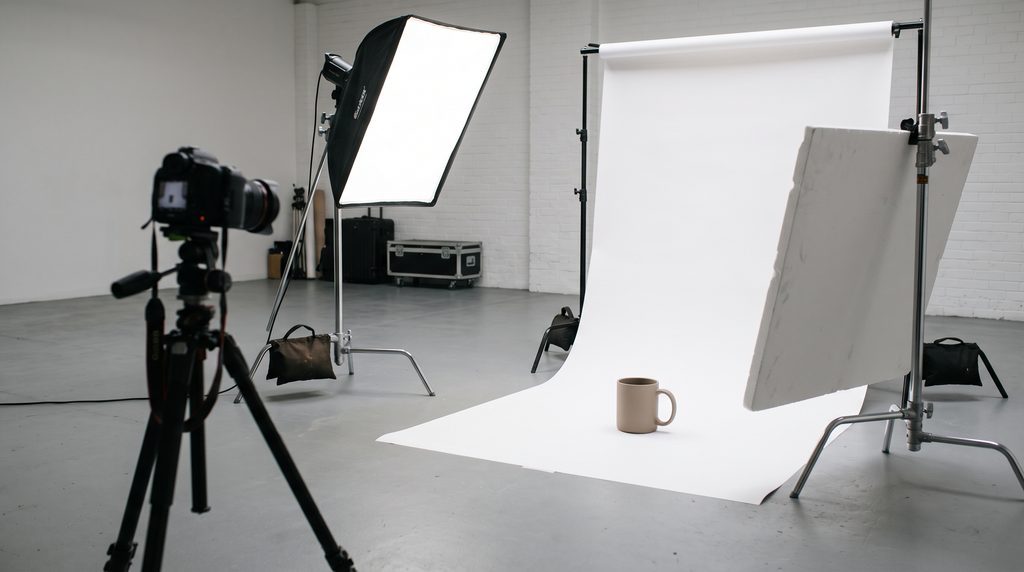
Product photography at SG Studios is €250 per hour plus VAT, with the photographer, lighting, styling and editing included in that rate.
Product video is €200 per hour plus VAT. Larger jobs are quoted as a fixed package based on the number of products rather than by the hour, since a batch of similar items shoots faster per unit than a mixed one. Edited images are delivered within 7 business days.
Because the rate is inclusive, the figure you book at is the figure you pay. Lesley, who booked a four-hour shoot, made that point directly: it “felt like very good value for the level of support, equipment and flexibility included”.
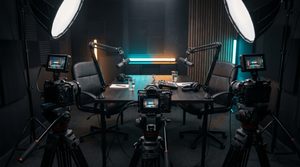
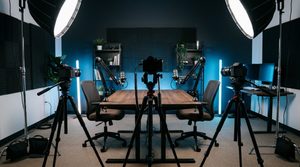
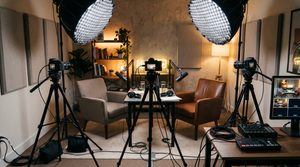
There is also a studio-only option at €85 per hour plus VAT for sellers who shoot their own products. That tier is the space and two basic bi-colour lights. You bring and operate your own gear, and no photographer, no cameras and no setup are included at that rate.
Either way you are shooting in the studio sets rather than on a kitchen table, which is most of what makes a catalogue look consistent. You can see how a product shoot runs before you book anything.
Getting the Decision Right
Volume and consistency decide this more than quality does. If your products share one setup and the photos are for social, shoot them yourself and spend the money elsewhere.
Once the catalogue grows past a single lighting setup, or the images have to clear a shopping feed, a professional shoot pays for itself in hours saved and listings approved.
If you want to see the space and the lighting before committing to anything, book a free studio tour and have a look around.